Blog

heavy machinery

Customization in Roller Conveyors: Tailoring Solutions for Indian Industries

Roller conveyor manufacturers in India

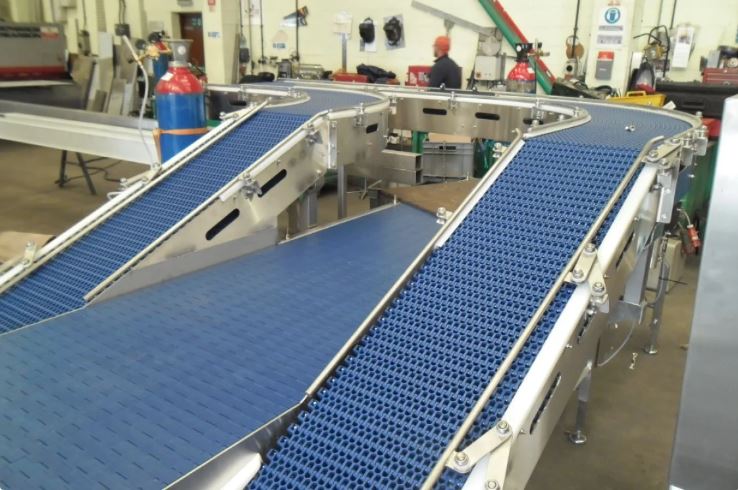
The demand for customised solutions has grown in the ever-changing industrial manufacturing sector. The design and construction of roller conveyors is one area where personalization is essential. The foundation of effective manufacturing processes in a variety of industries is roller conveyors, which are crucial parts of material handling systems. Given the various and distinct needs of various sectors, customisation of roller conveyors is not only a luxury but also a need in the context of Indian manufacturing.

Understanding the Importance of Customization

  • Meeting Industry-Specific Needs
    India boasts a vast and varied industrial sector, ranging from automotive and textiles to food processing and logistics. Each industry has its distinct set of challenges, product specifications, and operational nuances. Off-the-shelf roller conveyor solutions may not always align seamlessly with these specific requirements. This is where customization steps in, allowing roller conveyor manufacturers in India to tailor their designs to cater to the unique demands of each industry.
  • Space Optimization
    In many Indian manufacturing facilities, space is a premium commodity. Conventional conveyor systems might not fit seamlessly into compact or irregularly shaped spaces. Customized roller conveyors enable manufacturers to design systems that maximize space utilization, ensuring a smooth and efficient workflow without compromising on safety or productivity.
  • Enhanced Efficiency and Productivity
    Customization facilitates the incorporation of specialized features that can significantly enhance operational efficiency. Whether it’s integrating automation, implementing specific sorting mechanisms, or accommodating unique load sizes, tailored roller conveyors empower industries to optimize their processes, reduce downtime, and boost overall productivity.

The Role of Roller Conveyor Manufacturers in India

Leading the charge in providing customized solutions for Indian industries are the roller conveyor manufacturers. These manufacturers recognize the diverse needs of businesses operating in the country and strive to deliver conveyor systems that align perfectly with their operational requirements. From the design phase to the final implementation, roller conveyor manufacturers in India collaborate closely with their clients to ensure the end product not only meets but exceeds expectations.

  • Collaborative Design Process
    The customization journey often begins with a collaborative design process. Roller conveyor manufacturers engage in thorough consultations with clients to understand their specific needs, challenges, and objectives. This collaborative approach allows for the identification of key customization requirements, ensuring that the final product seamlessly integrates into the client’s existing infrastructure.
  • Tailoring Conveyor Features
    One of the significant advantages of customization is the ability to tailor specific features of the roller conveyors. This could include adjustments in roller size, conveyor speed, and the inclusion of safety features. For instance, industries dealing with delicate or high-value products may opt for conveyors with precision control, minimizing the risk of damage during transportation.
  • Integration of Automation
    In the era of Industry 4.0, automation is a game-changer. Roller conveyor manufacturers in India are at the forefront of integrating automation solutions into their conveyor systems. This could involve incorporating sensors for product tracking, RFID technology for efficient sorting, or even fully automated conveyor systems controlled by centralized software. Such customization not only enhances efficiency but also positions Indian industries on the cutting edge of global manufacturing trends.

Case Studies: Customization in Action

To illustrate the impact of customization in roller conveyor systems, let’s delve into a couple of case studies showcasing successful implementations in different Indian industries.

  • Automotive Manufacturing
    In the highly dynamic and precision-driven automotive manufacturing sector, customization is non-negotiable. A leading automotive plant in India collaborated with a roller conveyor manufacturer to design a conveyor system tailored to the unique dimensions and weight distribution of their automotive components. The result was a seamless and efficient material handling process that reduced production lead times and minimized the risk of damage to the high-value components.
  • E-commerce and Logistics
    The rapid growth of e-commerce in India has spurred a demand for customized conveyor solutions in logistics and distribution centres. A major e-commerce player sought the expertise of a roller conveyor manufacturer to design a system that could handle a wide range of package sizes, automate sorting processes, and integrate seamlessly with their order fulfilment software. The customized conveyor system not only streamlined their logistics operations but also contributed to faster order processing and reduced shipping times.

Conclusion

Customization in roller conveyors is not just a trend but a strategic necessity for Indian industries aiming to stay competitive in the global manufacturing landscape. Base Conveyors, conveyor manufacturers in India play a pivotal role in this journey, offering tailored solutions that address the unique challenges faced by diverse sectors. As industries continue to evolve, the collaboration between manufacturers and businesses ensures that roller conveyor systems not only meet current needs but also anticipate and adapt to future requirements. The era of one-size-fits-all solutions is giving way to a new paradigm where customization is the key to unlocking unparalleled efficiency, productivity, and success in the world of material handling.
heavy machinery

Key Considerations When Choosing Roller Conveyors for Material Handling

The choice of conveyors plays an important role in determining the efficiency, reliability, and overall success of an operation. Roller conveyors, in particular, have emerged as a popular solution for their versatility and ability to handle various types of materials. As businesses strive for streamlined operations, choosing the right roller conveyor becomes paramount. In this blog post, we will delve into the key considerations that organizations, especially those in India, should keep in mind when selecting roller conveyors for material handling, with a focus on the expertise offered by Base Conveyors.

Material Compatibility

One of the first considerations when selecting roller conveyors is the nature of the materials to be transported. Base Conveyors is a top-quality conveyor manufacturers in India that understands the diverse needs of industries, ranging from manufacturing to logistics. Their expertise lies in providing roller conveyor solutions tailored to handle different materials, from lightweight packages to heavy industrial components. This ensures optimal performance and longevity of the conveyor system.

Design for Efficiency

Base Conveyors excels in designing roller conveyors that prioritize efficiency. The layout and design of the conveyor system should complement the workflow of the facility, reducing bottlenecks and optimizing material flow. The experts at Base Conveyors work closely with clients to understand their unique requirements, customizing roller conveyors to enhance operational efficiency.

Durability and Maintenance

Roller conveyors, by nature, are subjected to continuous wear and tear. Base Conveyors addresses this concern by utilizing high-quality materials in their manufacturing process, ensuring durability and minimal maintenance requirements. This commitment to durability translates to reduced downtime and long-term cost savings for businesses relying on material handling systems.

Flexibility and Adaptability

Industries are dynamic, and material handling needs can change over time. Base Conveyors’ roller conveyor solutions are designed with flexibility in mind, allowing for easy modifications and expansions as businesses evolve. This adaptability ensures that the conveyor system grows in tandem with the organization’s requirements, providing a future-proof investment.

Safety Standards

Safety is paramount in any industrial setting. Base Conveyors places a strong emphasis on adhering to international safety standards and regulations. Their roller conveyor systems are equipped with advanced safety features, including emergency stops and protective guards, ensuring a secure working environment for operators.

Energy Efficiency

Base Conveyors integrates energy-efficient technologies into their roller conveyor systems. This not only reduces the environmental footprint but also contributes to long-term cost savings for businesses by lowering energy consumption.

Cost-Effectiveness

Base Conveyors understands the importance of cost-effectiveness without compromising quality. Their roller conveyor solutions offer a balance between affordability and performance, providing businesses with a reliable and economical material handling solution.

when it comes to choosing roller conveyor manufacturers in India for material handling, Base Conveyors stands out as a reliable partner with a commitment to excellence. By considering factors such as material compatibility, design efficiency, durability, flexibility, safety, energy efficiency, and cost-effectiveness, organizations can make informed decisions that contribute to the seamless flow of materials within their operations. Base Conveyors’ expertise ensures that their roller conveyor solutions align perfectly with the unique needs of businesses in India and beyond, unlocking a new level of efficiency in material handling.

heavy machinery

A Guide to Successful Food Grade Conveyor Implementation by Base Conveyors

Implementation of Food Grade Conveyors

In the dynamic landscape of the food processing industry, the efficient and hygienic movement of products is paramount. As companies seek to enhance their operations and comply with stringent food safety regulations, the implementation of food-grade conveyors becomes a critical consideration. However, like any sophisticated system, challenges can arise during the integration process. We explore common hurdles faced in food-grade conveyor implementation and shed light on effective solutions, with a focus on the expertise offered by Base Conveyors.

Compliance with Stringent Hygiene Standards

In the food industry, maintaining impeccable hygiene is non-negotiable. Food-grade conveyors must adhere to rigorous cleanliness standards to prevent contamination. Base Conveyors addresses this challenge by employing cutting-edge hygienic design principles in their conveyor systems. The use of materials resistant to Corr

Customization for Diverse Applications

Food processing facilities vary widely in their layouts and requirements. Implementing a one-size-fits-all conveyor system often falls short of meeting the diverse needs of different applications. Base Conveyors is the best food-grade conveyor manufacturer in India.  tackles this challenge by offering highly customizable solutions. Whether a facility deals with delicate baked goods or robust meat processing, Base Conveyors tailors its systems to match specific product characteristics and facility configurations.

Integration with Existing Systems

Many food processing plants already have established production lines and equipment. Integrating a new conveyor system seamlessly into existing operations can be a complex task. Base Conveyors understands this challenge and provides expert consultation and integration services. Their team works closely with clients to ensure a smooth transition, minimizing downtime and optimizing the overall efficiency of the production process.

Maintenance and Cleaning Protocols

Regular maintenance and thorough cleaning are essential for the longevity of food-grade conveyor systems. Reputable conveyor manufacturers in India offer comprehensive guidelines and training for maintenance protocols. Additionally, their conveyor designs prioritize accessibility, simplifying the cleaning process and reducing the risk of contamination.

Energy Efficiency and Sustainability

With a growing emphasis on sustainability in the industry, energy-efficient solutions are gaining prominence. Base Conveyors addresses this challenge by incorporating eco-friendly features into their conveyor systems. This not only aligns with environmental goals but also reduces operational costs for clients.

The challenges associated with food-grade conveyor implementation are nuanced but manageable, especially with the expertise of Base Conveyors. Their commitment to hygienic design, customization, seamless integration, maintenance support, and sustainable solutions positions them as leaders in the field. As the food industry continues to evolve, companies can trust Base Conveyors, top-quality conveyor manufacturers in India to deliver conveyor systems that not only meet the demands of today but also anticipate the challenges of tomorrow.

Uncategorized

Conveyor System Integration: Streamlining Manufacturing Processes

In today’s rapidly evolving industrial landscape, assembly line conveyor manufacturers in India face the ever-increasing challenge of meeting growing production demands while maintaining efficiency and product quality. Conveyor systems have long been the backbone of manufacturing processes, but in the quest for higher productivity and cost-effectiveness, integration has emerged as a crucial strategy. This article delves into the concept of conveyor system integration and its significance for assembly line conveyor manufacturers in India.

Understanding Conveyor System Integration

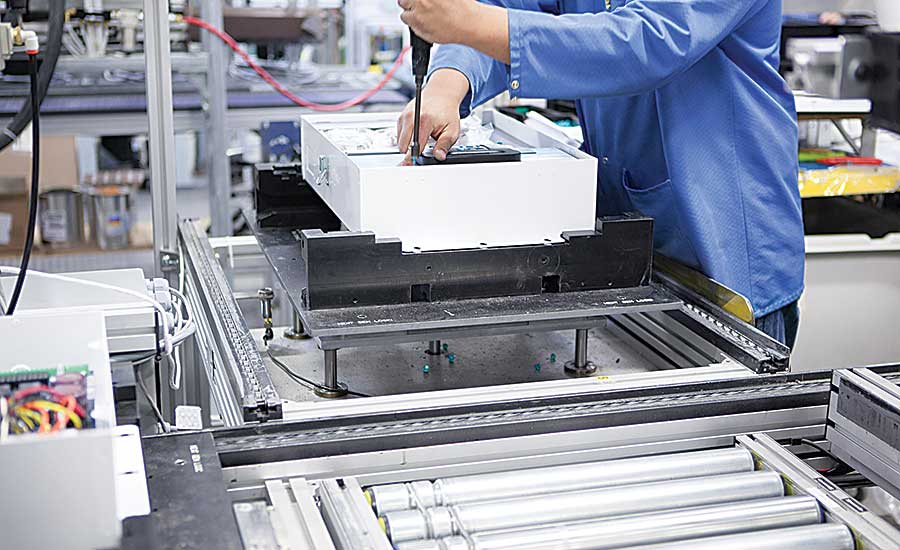
Conveyor system integration refers to the strategic incorporation of conveyors into a manufacturing setup to create a seamless, efficient, and synchronized production line. It involves aligning various components, including conveyor belts, controls, sensors, and auxiliary equipment, to work together harmoniously. The ultimate goal is to optimize production processes, reduce manual interventions, and enhance overall productivity.

Benefits of Conveyor System Integration

Enhanced Efficiency: Integration ensures that every step of the manufacturing process is synchronized, minimizing bottlenecks and idle time. This results in a more efficient production line, reducing cycle times and increasing throughput.

Improved Product Quality: Automated conveyor systems integrated with quality control mechanisms can consistently deliver high-quality products by reducing human errors and variations.

Cost Reduction: By automating tasks and reducing the need for manual labour, conveyor system integration can significantly cut labour costs while also minimizing the risk of workplace injuries.

Flexibility and Scalability: Integrated conveyor systems are designed to be flexible and adaptable. Manufacturers can easily modify or expand their production lines to accommodate changing production needs.

Key Components of Conveyor System Integration

Conveyor Belts: The choice of conveyor belts plays a crucial role in the integration process. Manufacturers need to select belts that are suitable for their specific products, considering factors like size, weight, and material.

Controls and Automation: Automation is at the heart of integration. Programmable Logic Controllers (PLCs) and other control systems ensure that the conveyor system operates smoothly and in sync with other equipment.

Sensors and Monitoring: Sensors and monitoring devices, such as proximity sensors and vision systems, are integrated to detect anomalies, ensure product quality, and prevent system failures.

Material Handling Equipment: In some cases, material handling equipment like robots, pick-and-place systems, or AGVs (Automated Guided Vehicles) are integrated to facilitate material movement.

Assembly line conveyor manufacturer in India

Successful Conveyor System Integration Case Studies in India

To illustrate the practical benefits of conveyor system integration, let’s look at a couple of case studies from Assembly line conveyor manufacturer in India.

Case Study 1: Automotive Assembly Line: Automotive assembly, conveyor system integration, efficiency improvement. In this case, an Indian automotive manufacturer integrated conveyor systems into their assembly line, resulting in a 30% increase in production efficiency. The integration allowed for just-in-time delivery of components to assembly stations, reducing idle time and improving overall production speed.

Case Study 2: Food Processing Plant: Food processing, quality control, conveyor system automation. A food processing plant in India integrated conveyor systems with advanced vision inspection technology. This integration significantly enhanced product quality by detecting and rejecting defective items. As a result, they reduced product recalls by 40%, leading to substantial cost savings and improved brand reputation.

Challenges and Considerations in Conveyor System Integration

While the benefits of integration are substantial, it’s essential to acknowledge and address potential challenges:

Initial Investment: Integration may require a significant upfront investment in equipment and technology. However, the long-term cost savings often outweigh these initial expenses.

Maintenance and Downtime: Regular maintenance is crucial to ensure the continued efficiency of integrated conveyor systems. Downtime for maintenance should be carefully planned to minimize production disruptions.

Employee Training: Integration may require a trained workforce to operate and maintain the system effectively. Adequate training programs should be implemented.

The Future of Conveyor System Integration in India

As Indian manufacturing continues to evolve, conveyor system integration will play an increasingly vital role. Here are some future trends to watch:

Smart Conveyor Systems: Integration with IoT (Internet of Things) technology will enable real-time monitoring and predictive maintenance, reducing downtime.

Customized Solutions: Manufacturers will seek more customized conveyor integration solutions tailored to their specific needs.

Sustainability: Environmental concerns will drive the adoption of eco-friendly conveyor systems, aligning with India’s commitment to sustainability.

Conclusion

In conclusion, conveyor system integration is a transformative strategy for assembly line conveyor manufacturers in India. By harmonizing conveyor systems with other manufacturing components, companies can achieve enhanced efficiency, improved product quality, cost reductions, and increased flexibility. While challenges exist, the long-term benefits and future trends in integration make it a compelling choice for the future of Indian manufacturing.

Uncategorized

Choosing the Right Conveyor Manufacturer: What to Look For

When it comes to enhancing efficiency and productivity in various industries, selecting the right conveyor system is crucial. However, equally important is choosing the right conveyor manufacturer in India. The conveyor system you opt for can significantly impact your operations, so making an informed decision about the manufacturer is vital. In this comprehensive guide, we’ll delve into the essential factors to consider when choosing a conveyor manufacturer in India, ensuring that your investment pays off in the long run.

Expertise and Experience

One of the primary factors to consider when selecting a conveyor manufacturer in India is their expertise and experience in the field. Look for a manufacturer with a proven track record of designing, manufacturing, and installing conveyor systems across various industries. An experienced manufacturer is more likely to understand your specific requirements and provide tailored solutions.

Conveyor manufacturers in India

Reputation and References

Reputation matters when choosing Conveyor manufacturers in India. Check for reviews, testimonials, and references from past clients. A reputable manufacturer should be able to provide you with a list of satisfied customers who can vouch for the quality and reliability of their conveyor systems.

Quality of Conveyor Systems

The quality of the conveyor systems offered by the manufacturer should be a top priority. Evaluate the materials used, construction techniques, and overall build quality. Look for certifications and adherence to industry standards. High-quality conveyor systems are more durable, require less maintenance, and have a longer lifespan, ultimately saving you money in the long term.

Customization Options

Every industry has unique requirements when it comes to conveyor systems. Ensure that the manufacturer offers customization options to tailor the conveyor system to your specific needs. Whether it’s size, speed, load capacity, or special features, the ability to customize your conveyor system is essential for seamless integration into your workflow.

Support and Service

Consider the level of support and service the manufacturer provides. A reliable conveyor manufacturer should offer installation, training, and after-sales support. They should also have a responsive customer service team to address any issues or concerns that may arise during the system’s lifecycle.

Cost-Effectiveness

While cost is a crucial factor, it should not be the sole determinant when choosing a conveyor manufacturer. Instead, focus on the overall cost-effectiveness of the solution. Consider factors like maintenance costs, energy efficiency, and the system’s long-term performance. A slightly higher initial investment in a quality conveyor system can often lead to significant savings over time.

Innovation and Technology

Look for a conveyor manufacturer that embraces innovation and technology. Conveyor systems are continually evolving, with advancements in automation and connectivity. A manufacturer that stays up-to-date with the latest technological trends can offer solutions that enhance efficiency and competitiveness.

Sustainability and Environmental Considerations

In today’s environmentally conscious world, consider the sustainability of the conveyor systems offered by the Conveyor manufacturers in India. Look for features that promote energy efficiency and reduce waste. Sustainable conveyor systems not only benefit the environment but can also lead to cost savings and a positive brand image.

Conclusion

Selecting the right conveyor manufacturer in India is a critical decision that can impact your business’s efficiency and profitability. By considering factors such as expertise, reputation, quality, customization options, support, cost-effectiveness, innovation, and sustainability, you can make an informed choice that aligns with your specific needs and goals. Remember that a well-designed and reliable conveyor system is an investment that can pay off in the long run, ensuring smooth operations and a competitive edge in your industry.

In a market with numerous conveyor manufacturers in India, thorough research and evaluation will help you identify the best partner for your conveyor system needs.

Uncategorized

Custom Conveyor Solutions: Addressing Unique Industry Challenges

Conveyor belt manufacturers play a pivotal role in shaping modern industries by providing efficient and versatile material handling solutions. From manufacturing to logistics, conveyor systems have become the backbone of various sectors, streamlining operations and enhancing productivity. However, not all conveyor requirements fit neatly into standardized solutions. This is where the concept of custom conveyor solutions comes into play, allowing manufacturers to address unique industry challenges with tailored designs and innovations. In the context of India, a country known for its diverse industries, the role of conveyor belt manufacturers in providing custom solutions gains even greater significance.

Conveyor belt manufacturers

Understanding Custom Conveyor Solutions

Standard conveyor systems have their merits, but they might not always align perfectly with the specific needs of certain industries. Custom conveyor solutions involve the design, engineering, and manufacturing of conveyor systems that are tailored to the unique challenges faced by individual businesses. These challenges can range from space constraints and irregular shapes of materials to specialized handling requirements and industry-specific regulations. By collaborating closely with clients, conveyor belt manufacturers can devise solutions that optimize efficiency, reduce downtime, and enhance safety in ways that standard systems cannot.

The Relevance of Custom Solutions in India

India’s industrial landscape is as diverse as its culture, encompassing industries from automotive and food processing to pharmaceuticals and textiles. Each sector has its own intricacies, demanding solutions that address its specific demands. This is where conveyor belt manufacturers in India step in, offering custom conveyor solutions that cater to the nuanced requirements of the nation’s varied industries.

Industry-Specific Challenges and Solutions

Automotive Industry: The automotive sector in India requires conveyor systems capable of handling various vehicle components with precision. Custom solutions can involve designing conveyor systems that accommodate parts of different shapes and sizes, facilitating efficient assembly lines.

Food Processing Industry: Hygiene and safety are paramount in the food processing industry. Conveyor belt manufacturers can develop solutions that incorporate easy-to-clean materials, sanitary designs, and gentle handling mechanisms to prevent product contamination.

Pharmaceutical Industry: Pharmaceuticals demand strict adherence to regulations and quality standards. Custom conveyor solutions can include features like anti-static belts and controlled environments to ensure the integrity of sensitive products.

Textile Industry: Textile manufacturing often involves delicate fabrics and intricate processes. Custom conveyor systems can be engineered to handle fabrics without causing damage, as well as integrate processes like dyeing and printing seamlessly.

Design Process and Collaboration

The journey of creating custom conveyor solutions involves collaboration between conveyor belt manufacturers and their clients. It begins with a thorough analysis of the client’s needs and challenges. This stage is crucial for understanding the industry requirements, workflow, available space, and safety considerations. Based on this analysis, engineers design a tailored conveyor system that optimizes processes, addresses challenges, and aligns with the client’s goals.

Benefits of Custom Conveyor Solutions

Enhanced Efficiency: Custom conveyor systems are designed with the specific workflow in mind, reducing bottlenecks and enhancing overall efficiency.

Optimized Space Utilization: Industries often face space limitations. Custom solutions ensure that every inch of available space is utilized effectively, enabling seamless integration of conveyor systems into existing layouts.

Improved Safety: Addressing industry-specific safety regulations is easier with custom solutions. Engineers can incorporate features such as automated emergency stops and protective guarding to ensure worker safety.

Minimized Downtime: Custom conveyor solutions are fine-tuned to fit seamlessly into existing processes, minimizing downtime during installation and integration.

Long-Term Cost Savings: While custom solutions might have a higher initial investment, they often lead to long-term cost savings through increased efficiency, reduced maintenance, and minimized operational disruptions.

Conclusion

The role of conveyor belt manufacturers in India goes beyond providing off-the-shelf systems. Custom conveyor solutions offer a tailored approach to industries that face unique challenges. By collaborating with clients, understanding their needs, and leveraging engineering expertise, conveyor manufacturers are enabling businesses to overcome industry-specific obstacles while enhancing productivity, efficiency, and safety. In a country as diverse as India, where industries span a wide spectrum, the provision of custom conveyor solutions is a testament to the adaptability and innovation within the field of material handling.