In today’s rapidly evolving industrial landscape, assembly line conveyor manufacturers in India face the ever-increasing challenge of meeting growing production demands while maintaining efficiency and product quality. Conveyor systems have long been the backbone of manufacturing processes, but in the quest for higher productivity and cost-effectiveness, integration has emerged as a crucial strategy. This article delves into the concept of conveyor system integration and its significance for assembly line conveyor manufacturers in India.
Understanding Conveyor System Integration
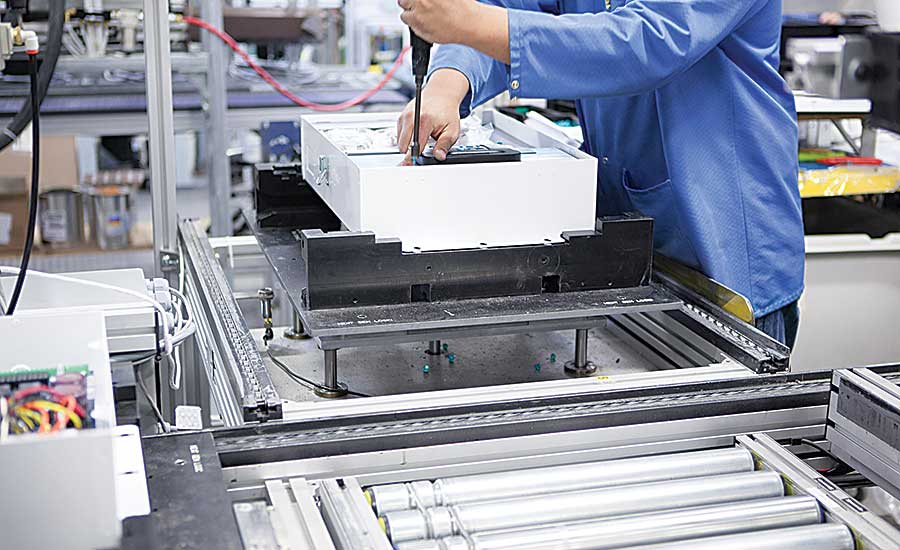
Conveyor system integration refers to the strategic incorporation of conveyors into a manufacturing setup to create a seamless, efficient, and synchronized production line. It involves aligning various components, including conveyor belts, controls, sensors, and auxiliary equipment, to work together harmoniously. The ultimate goal is to optimize production processes, reduce manual interventions, and enhance overall productivity.
Benefits of Conveyor System Integration
Enhanced Efficiency: Integration ensures that every step of the manufacturing process is synchronized, minimizing bottlenecks and idle time. This results in a more efficient production line, reducing cycle times and increasing throughput.
Improved Product Quality: Automated conveyor systems integrated with quality control mechanisms can consistently deliver high-quality products by reducing human errors and variations.
Cost Reduction: By automating tasks and reducing the need for manual labour, conveyor system integration can significantly cut labour costs while also minimizing the risk of workplace injuries.
Flexibility and Scalability: Integrated conveyor systems are designed to be flexible and adaptable. Manufacturers can easily modify or expand their production lines to accommodate changing production needs.
Key Components of Conveyor System Integration
Conveyor Belts: The choice of conveyor belts plays a crucial role in the integration process. Manufacturers need to select belts that are suitable for their specific products, considering factors like size, weight, and material.
Controls and Automation: Automation is at the heart of integration. Programmable Logic Controllers (PLCs) and other control systems ensure that the conveyor system operates smoothly and in sync with other equipment.
Sensors and Monitoring: Sensors and monitoring devices, such as proximity sensors and vision systems, are integrated to detect anomalies, ensure product quality, and prevent system failures.
Material Handling Equipment: In some cases, material handling equipment like robots, pick-and-place systems, or AGVs (Automated Guided Vehicles) are integrated to facilitate material movement.
Successful Conveyor System Integration Case Studies in India
To illustrate the practical benefits of conveyor system integration, let’s look at a couple of case studies from Assembly line conveyor manufacturer in India.
Case Study 1: Automotive Assembly Line: Automotive assembly, conveyor system integration, efficiency improvement. In this case, an Indian automotive manufacturer integrated conveyor systems into their assembly line, resulting in a 30% increase in production efficiency. The integration allowed for just-in-time delivery of components to assembly stations, reducing idle time and improving overall production speed.
Case Study 2: Food Processing Plant: Food processing, quality control, conveyor system automation. A food processing plant in India integrated conveyor systems with advanced vision inspection technology. This integration significantly enhanced product quality by detecting and rejecting defective items. As a result, they reduced product recalls by 40%, leading to substantial cost savings and improved brand reputation.
Challenges and Considerations in Conveyor System Integration
While the benefits of integration are substantial, it’s essential to acknowledge and address potential challenges:
Initial Investment: Integration may require a significant upfront investment in equipment and technology. However, the long-term cost savings often outweigh these initial expenses.
Maintenance and Downtime: Regular maintenance is crucial to ensure the continued efficiency of integrated conveyor systems. Downtime for maintenance should be carefully planned to minimize production disruptions.
Employee Training: Integration may require a trained workforce to operate and maintain the system effectively. Adequate training programs should be implemented.
The Future of Conveyor System Integration in India
As Indian manufacturing continues to evolve, conveyor system integration will play an increasingly vital role. Here are some future trends to watch:
Smart Conveyor Systems: Integration with IoT (Internet of Things) technology will enable real-time monitoring and predictive maintenance, reducing downtime.
Customized Solutions: Manufacturers will seek more customized conveyor integration solutions tailored to their specific needs.
Sustainability: Environmental concerns will drive the adoption of eco-friendly conveyor systems, aligning with India’s commitment to sustainability.
Conclusion
In conclusion, conveyor system integration is a transformative strategy for assembly line conveyor manufacturers in India. By harmonizing conveyor systems with other manufacturing components, companies can achieve enhanced efficiency, improved product quality, cost reductions, and increased flexibility. While challenges exist, the long-term benefits and future trends in integration make it a compelling choice for the future of Indian manufacturing.

 The Backbone of Efficient Workflow