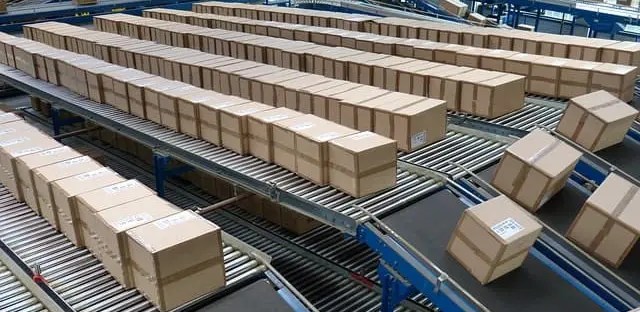
Conveyors play a vital role in various industries, facilitating the efficient movement of goods, materials, and products along production lines, warehouses, and distribution centers. As India’s manufacturing sector continues to expand and diversify, the demand for reliable conveyor systems has surged, leading to the emergence of numerous conveyor manufacturers across the country. In this comprehensive guide, we’ll explore the innovations, applications, and considerations for selecting the right conveyor manufacturer in India.
Understanding Conveyor Systems:
Conveyor systems consist of various components, including belts, rollers, motors, pulleys, and control systems, designed to transport goods horizontally, vertically, or on an inclined plane. These systems offer advantages such as increased productivity, labor savings, space optimization, and improved workplace safety, making them indispensable in industries ranging from automotive and food processing to logistics and pharmaceuticals.
Types of Conveyors:
Belt Conveyors: Belt conveyors utilize a continuous loop of conveyor belts to transport bulk materials or packaged goods along a predefined path. They are versatile, cost-effective, and suitable for transporting a wide range of materials, including grains, aggregates, and industrial products.
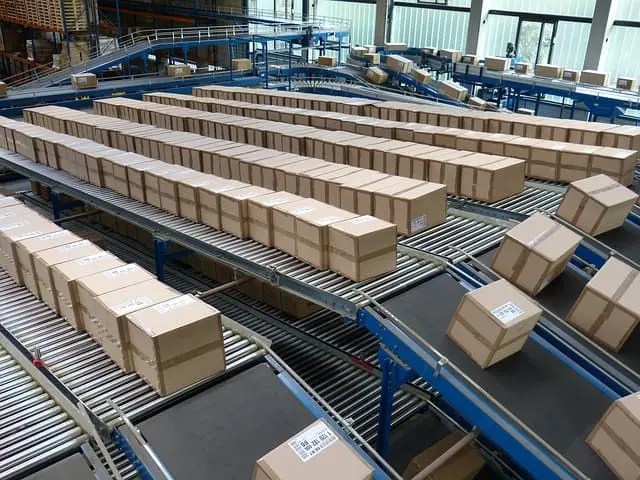
Roller Conveyors: Roller conveyors feature a series of rollers mounted on a frame, allowing for the smooth movement of items by gravity or powered mechanisms. They are commonly used for pallet handling, carton conveying, and accumulation applications in warehouses and distribution centers.
Chain Conveyors: Chain conveyors utilize chains or chains with attachments to move heavy or irregularly shaped items along a conveyor path. They are ideal for transporting large loads, such as automotive components, pallets, and bulk materials, in manufacturing and assembly operations.
Screw Conveyors: Screw conveyors consist of a rotating helical screw enclosed in a tube, used to convey bulk materials or powders horizontally or at an incline. They are commonly employed in industries such as agriculture, mining, and wastewater treatment for handling materials with varying viscosities and flow properties.
Overhead Conveyors: Overhead conveyors utilize overhead tracks or rails to transport items suspended from carriers or hooks. They are space-saving solutions suitable for assembly lines, paint lines, and garment handling applications in industries where floor space is limited.
Innovations in Conveyor Technology:
Automation and Robotics Integration: Conveyor manufacturers in India are increasingly integrating automation and robotics technologies into conveyor systems to enhance efficiency, accuracy, and flexibility in material handling processes. Automated guided vehicles (AGVs), robotic arms, and vision systems are commonly integrated with conveyors to enable tasks such as sorting, picking, and packaging.
Modular Conveyor Design: Modular conveyor systems feature standardized components and modular construction, allowing for easy customization, reconfiguration, and scalability to meet changing production requirements. This flexibility enables manufacturers to adapt conveyor systems to different layouts, product sizes, and throughput rates with minimal downtime.
Energy-Efficient Solutions: With a growing emphasis on sustainability and energy conservation, Conveyor manufacturers in India are developing energy-efficient conveyor systems that optimize motor efficiency, minimize friction, and incorporate regenerative braking technology. Variable frequency drives (VFDs) and intelligent control systems are employed to optimize conveyor speed and power consumption based on real-time demand.
Advanced Material Handling Technologies: Conveyor manufacturers are incorporating advanced material handling technologies such as RFID (Radio-Frequency Identification), barcode scanning, and RFID-based sorting systems into conveyor systems to enable real-time tracking, traceability, and inventory management. These technologies enhance supply chain visibility, accuracy, and efficiency in material flow operations.
Applications of Conveyors in India:
Manufacturing and Assembly: Conveyors are widely used in manufacturing and assembly operations across industries such as automotive, electronics, consumer goods, and pharmaceuticals for transporting components, sub-assemblies, and finished products between workstations, machines, and assembly lines.
Warehousing and Distribution: In warehousing and distribution centers, conveyors facilitate order picking, sorting, and packing processes, enabling efficient handling and fulfillment of orders for e-commerce, retail, and logistics companies.
Food Processing and Packaging: Conveyor systems are essential in food processing and packaging facilities for conveying raw materials, ingredients, and packaged goods through various processing stages, including washing, sorting, cooking, and packaging, while ensuring food safety and hygiene standards are maintained.
Mining and Bulk Material Handling: In the mining and bulk material handling industries, conveyors are used to transport ores, coal, aggregates, and bulk materials from extraction sites to processing plants, storage facilities, and transportation hubs, facilitating efficient material flow and logistics operations.
Choosing the Right Conveyor Manufacturer in India:
Industry Experience and Expertise: Select a conveyor manufacturer with extensive experience and expertise in designing, manufacturing, and installing conveyor systems for your industry sector. Look for manufacturers with a proven track record of delivering high-quality, reliable solutions tailored to your specific requirements.
Customization and Flexibility: Choose a manufacturer that offers customization options and flexible solutions to accommodate your unique application needs, production processes, and facility layout constraints. Ensure the manufacturer can design and engineer conveyor systems that meet your performance, capacity, and budgetary requirements.
Quality Assurance and Compliance: Prioritize conveyor manufacturers that adhere to stringent quality standards and regulatory requirements, such as ISO certification, CE marking, and compliance with industry-specific safety and hygiene standards. Verify the manufacturer’s quality assurance processes, material sourcing practices, and product testing procedures to ensure product reliability and durability.
Technical Support and Service: Evaluate the manufacturer’s technical support capabilities, including pre-sales consultation, engineering support, installation assistance, and after-sales service and maintenance. Choose a manufacturer that provides comprehensive support throughout the project lifecycle, from initial design and commissioning to ongoing maintenance and troubleshooting.
References and Customer Feedback: Seek references, case studies, and customer testimonials from past projects to assess the manufacturer’s reputation, customer satisfaction levels, and project success rates. Request site visits or demonstrations of similar conveyor systems to evaluate performance, reliability, and ease of operation.
Conclusion:
Conveyor systems play a critical role in modern industrial operations, facilitating the efficient movement of materials, products, and goods across production facilities, warehouses, and distribution centers. In India, a diverse range of conveyor manufacturers offers innovative solutions tailored to various industries’ needs, from manufacturing and logistics to food processing and mining. By understanding the different types of conveyors, innovations in conveyor technology, applications across industries, and key considerations for selecting a conveyor manufacturer, businesses can make informed decisions to optimize their material handling processes, improve operational efficiency, and drive business growth.

 The Backbone of Efficient Workflow